Digital Safe Spaces: Building Supportive Communities for Mental Health (3 Core Features)
Table of Contents
Smart Summary: Here’s what this blog on Communities for Mental Health will explore
- Mental Health and the Essential Need for Supportive Online Spaces:
As mental health gains deserved recognition, safe, judgment-free digital spaces become vital. These spaces enable authentic sharing, empathy, and community support, reducing isolation and fostering resilience. - What Are Digital Safe Spaces and Why Does Privacy Matter:
Digital safe spaces are secure, confidential online environments where empathy and privacy underpin mental health conversations. Access control and encryption foster freedom to express vulnerability safely. - The Three Pillars of Truly Supportive Safe Spaces:
Private, controlled access; secure communication channels; and member-led empathy-driven moderation create resilient environments that motivate participation and healing. - Kannect’s Role in Supporting Safe, Connected Networks:
Kannect offers customizable privacy settings, advanced messaging, and moderation tools compliant with privacy laws, making it ideal for building impactful, secure mental health support networks. - The Ripple Effect of Nurturing Safe, Supportive Spaces:
Thriving safe spaces reduce stigma, empower allies, and encourage collective healing practices that strengthen individuals and social networks alike. - Cultivating Compassionate Digital Spaces:
True safe spaces celebrate vulnerability and empower members. Platforms like Kannect help break isolation and stigma while fostering authentic connection online. - Remarkable Organizations Leading Transformative Mental Health Work:
Global and local organizations, from United for Global Mental Health to Friendship Bench, champion awareness, offer resources, and build safe spaces that support mental wellness and recovery worldwide. - Ready to Build Your Safe Space? Sign up for free at Kannect and build your community today.
- FAQs
Let’s Dive In!
The Essential Need for Communities for Mental Health
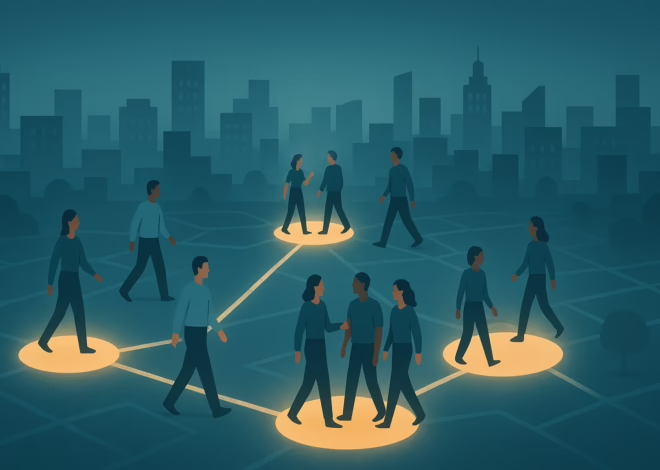
Mental health has rightly gained increased attention and recognition worldwide in recent years. Yet, despite this progress, stigma and fear continue to silence many from openly discussing their mental health struggles. In this challenging landscape, the creation of online environments designed as true safe spaces has become more crucial than ever. These digital communities for mental health function as sanctuaries; safe, supportive, and confidential places where individuals can openly share their struggles, experiences, and hopes without fear of judgment or exposure. They foster bonds of empathy, support, and understanding that are vital for personal healing and resilience.
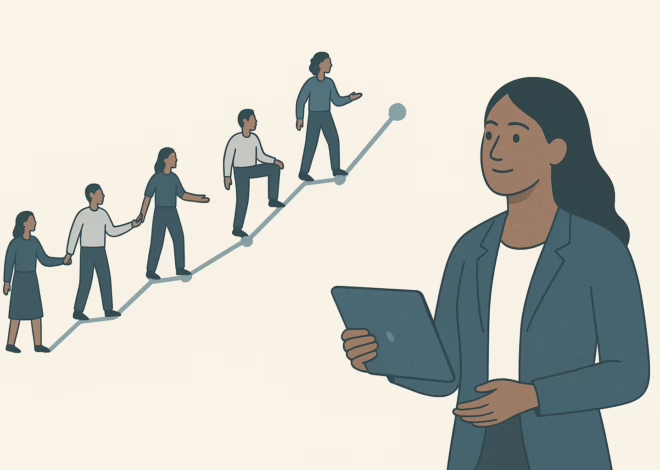
Consider the example of a young adult grappling with anxiety who finds solace in an online peer group where members share similar experiences and coping strategies. Or a caregiver who connects with others caring for loved ones facing mental health challenges, collectively sharing resources and emotional support. These communities for mental health reduce feelings of isolation, provide validation, and empower members to navigate their journeys with renewed hope.
The core concept of safe spaces within these communities centers on nurturing trust, ensuring privacy, and fostering a sense of belonging. This environment encourages members to be fully authentic, knowing their voices are valued and protected. Research highlights that participation in such communities can lead to improved mental well-being, greater social connectedness, reduced self-stigma, and enhanced self-efficacy. In short, digital safe spaces within communities for mental health are not just helpful, they are often lifesaving.
What Are Digital Safe Spaces and Why Does Privacy Matter?
Digital safe spaces are thoughtfully crafted online groups or forums designed to ensure confidentiality, controlled membership, and interactions guided by empathy. Such protected environments become essential when sensitive topics like mental health are discussed, where privacy deeply matters.
For example, trauma recovery circles and support groups frequently adopt invitation-only access and encrypted communication methods to safeguard members’ identities and personal stories. The essence of safe spaces goes beyond just privacy; they symbolize freedom, the freedom to express vulnerability without fear, to seek support openly, and to find genuine solidarity.
Platforms like Kannect empower community creators with advanced privacy settings and controls, allowing conversations to unfold strictly within trusted circles. This infrastructure not only secures sensitive exchanges but fosters the emotional safety needed for participants to be authentic and candid, which is foundational in supporting mental health online.
Research highlights show that such digital safe spaces are linked to reduced stigma, greater feelings of safety, and increased willingness to seek help, proof that privacy is not merely a technical feature but a lifeline for meaningful mental health conversations.
The Three Pillars of Truly Supportive Communities for Mental Health
- Private and Controlled Access:
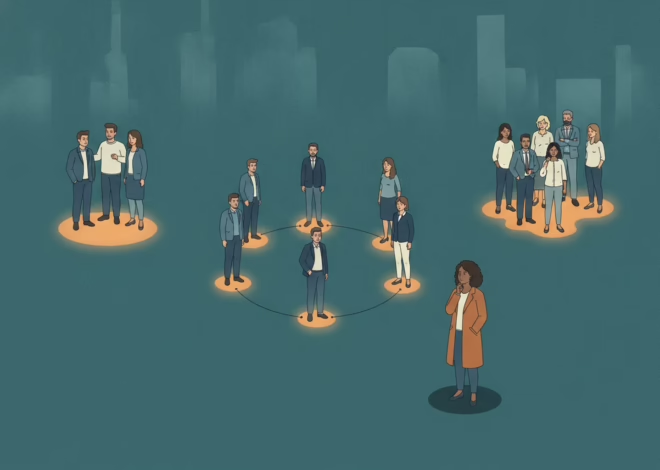
Safe spaces flourish when access is carefully controlled to prevent unwanted intrusion and distractions. Effective digital safe spaces often utilize gated entry methods such as password protection, invitation-only membership, or moderation-based approval processes.
For example, trauma recovery forums commonly restrict access to verified participants to protect the confidentiality and dignity of survivors. This exclusivity doesn’t exclude; rather, it cultivates trust by ensuring that everyone inside the environment shares a commitment to respect and safety. - Secure Communication Channels:
In safe spaces designed for mental health support, conversations must be shielded from external risks. Robust encryption protocols and strict privacy policies guarantee that sensitive disclosures, personal stories, and exchanges remain confidential and protected from unauthorized access.
This technological protection reinforces trust, making members feel safe to be vulnerable. Platforms like Kannect employ privacy-first architectures to ensure discussions stay private, further bolstering the foundation of a safe space. - Member-Led Moderation and Empathy Norms:
Human care and empathy are at the heart of successful digital safe spaces. Effective moderation goes well beyond policing rules; it involves trauma-informed, compassionate guidance that fosters a culture of kindness, respect, and accountability.
Trained moderators and active community members work together to create an environment where people are free to express emotions and experiences without fear of judgment or harm. By encouraging empathy norms and shared ownership, safe spaces inspire resilience, strengthen connections, and promote sustained engagement among participants.
Kannect’s Role: Supporting the Growth of Thriving Communities for Mental Health
Kannect is a dynamic platform designed to foster the development and growth of thriving mental health networks by seamlessly blending robust technical safeguards with intuitive tools that promote authentic connection and engagement.
Its features are crafted to meet the unique needs of sensitive mental health discussions while providing a secure environment where members feel safe and supported.
- Customizable Privacy Settings Supporting Safe Spaces:
Kannect empowers network creators to define access rules and member permissions with precision, ensuring every digital safe space reflects its specific mission and member needs. This controlled access is fundamental for protecting confidential conversations, especially in groups dealing with trauma recovery or sensitive personal stories. - Advanced Messaging and Discussion Tools:
The platform enables secure, fluid exchanges via encrypted channels, private group discussions, and moderated forums. These tools facilitate candid conversations and peer support, crucial elements in nurturing empathetic and resilient networks. - Moderation Capabilities Empowering Empathy and Responsibility:
Kannect’s moderation features let official moderators and peer leaders uphold community standards grounded in empathy and trauma-informed care. This shared responsibility fosters a culture of kindness, respect, and accountability, essential for sustaining long-term engagement in mental health environments. - Compliance with Privacy Laws and Ethical Data Practices:
Recognizing the sensitive nature of mental health data, Kannect adheres strictly to relevant privacy laws and ethical guidelines, ensuring user data is handled securely and with full transparency. This commitment builds member trust and confidence in the platform as a safe harbor for mental health dialogue.
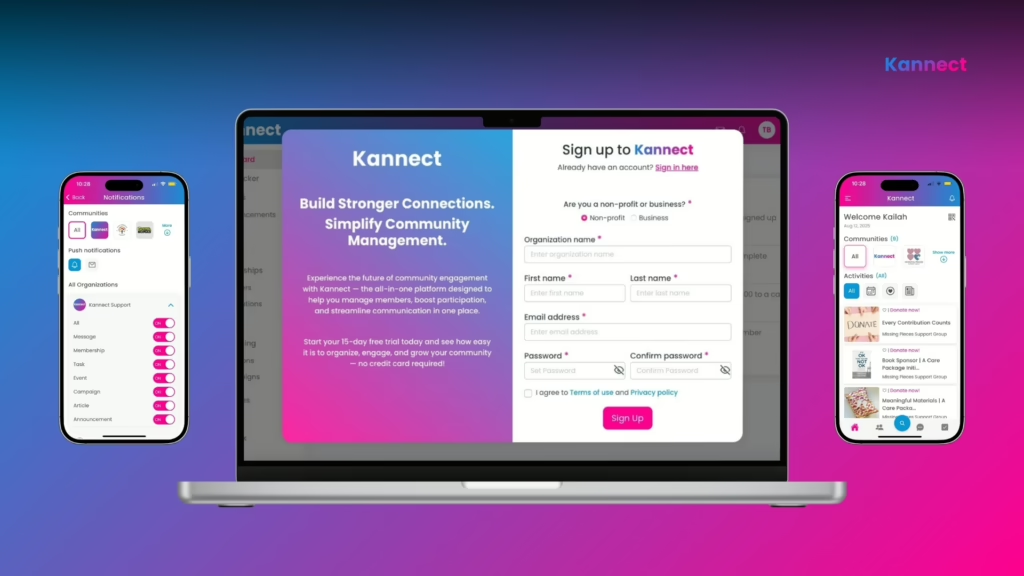
Such capabilities make Kannect a preferred platform for individuals and organizations seeking to establish impactful, secure, and supportive mental health networks online. By safeguarding conversations and fostering community ownership, Kannect bridges technology with the human empathy necessary to create truly transformative experiences.
The Ripple Effect of Nurturing Safe Communities for Mental Health
When safe spaces truly flourish online, their positive impact extends far beyond the individual member level. These supportive environments are powerful forces that cultivate cultures of openness and healing, working to challenge the long-standing stigma surrounding mental health struggles while empowering allies and advocates within and beyond the group.
Peer-led groups on platforms like Kannect, for example, have transformed experiences of isolation into genuine belonging for hundreds of participants. By providing safe spaces where members feel heard and supported, individuals gain strength from shared understanding and collective empathy. One member’s story or small act of vulnerability can ripple through the network, inspiring others to speak up and seek help.
Those who engage deeply in these safe spaces often become informed allies in their wider social and professional circles. Through training in trauma-informed communication and ongoing peer support, they expand compassion and awareness in workplaces, families, and communities outside the digital platform.
Moreover, collective healing activities such as virtual meditation sessions, resource sharing, and crisis support check-ins fortify resilience among participants. These initiatives contribute not just to the mental well-being of individuals but also to enhanced social cohesion and emotional strength throughout the broader connected network.
Scientific research supports these positive effects of online mental health safe spaces. Participation in online support groups has been correlated with reduced symptoms of anxiety and depression, greater feelings of social connectedness, and improved self-efficacy, all essential outcomes for sustainable mental health.
In this way, well-designed, empathetic digital safe spaces do not simply exist as isolated islands of support. Instead, they act as catalysts for wider cultural shifts, contributing to a healthier, more compassionate society, one genuine connection at a time.
Balancing Technology and Humanity in Digital Safe Spaces
Technology forms the backbone of safe spaces, but human empathy is the heart. While features like encryption and access controls are fundamental, human moderators bring essential nuances of compassion and judgment. Kannect’s design prioritizes tools that facilitate subtle intervention and transparent community governance, empowering members and moderators alike.
Peer moderation models invite members to count as co-creators of safe spaces, fostering community ownership and lasting trust. Moreover, ethical tech use balances privacy with the need for intervention, ensuring members control comfort levels while having safety nets ready.
Cultivating Compassionate Digital Communities for Mental Health
True safe spaces focused on mental health do far more than tolerate vulnerability, they actively celebrate it as a profound strength. These digital environments invite individuals to bring their authentic selves forward, fostering a sense of liberation from stigma and isolation that often accompanies mental health struggles. Platforms like Kannect provide the essential infrastructure and culture that enable such openness by facilitating secure, empathetic, and supportive interactions.

Whether you are a leader guiding a mental health group, an advocate promoting awareness, or someone seeking connection in a difficult moment, engaging with or creating these compassionate digital safe spaces is a powerful step toward nurturing collective well-being. The online nature of these spaces breaks down geographical and social barriers, offering accessibility and continuous support unavailable in many traditional settings.
Research consistently shows that participation in well-designed digital safe spaces increases feelings of social connectedness, empowerment, and resilience. These platforms not only help individuals manage their mental health but also foster communities where healing, growth, and meaningful dialogue thrive.
Embracing vulnerability within these compassionate spaces transforms the mental health experience from one of isolation to one of shared strength. By choosing technologies grounded in privacy, trust, and empathy, we cultivate environments where every member can contribute authentically and thrive.
List of global and local organizations and communities for mental health
Explore an inspiring list of global and local organizations that champion mental health awareness, break stigma, and create safe, supportive environments for those who need it most. Their diverse work spans advocacy, education, peer support, and direct mental health services, igniting change worldwide. Learn about their missions and impact to find inspiration and discover ways to join the movement toward compassionate mental wellness:
- United for Global Mental Health: This global advocacy coalition leads urgent policy change and fosters collaboration to improve mental-health care access worldwide. Their campaigns amplify the voices of those with lived experience and push governments to honor commitments made at international forums like the UN High-Level Meeting on Non-Communicable Diseases.
- World Federation for Mental Health (WFMH): Since 1948, WFMH has promoted mental health education, advocacy, and recovery on a global scale. They organize World Mental Health Day, raising awareness and encouraging open dialogue in thousands of communities worldwide.
- Active Minds, Inc.: A US-based nonprofit empowering young adults to speak openly about mental health. Through peer-led campus programs, they dismantle stigma and foster supportive networks where students can share and seek help.
- Mental Health America (MHA): One of the oldest mental health organizations in the US, MHA provides early intervention tools, education, and advocacy focused on prevention and wellness, aiming to reach all communities with culturally sensitive resources.
- National Alliance on Mental Illness (NAMI): A grassroots leader offering comprehensive education and support to individuals and families affected by mental illnesses. Their support groups and advocacy shape public policies and community resources.
- Anxiety and Depression Association of America (ADAA): Specializes in evidence-based treatment education and peer support for anxiety, depression, OCD, and PTSD, empowering sufferers with tools and hope.
- StrongMinds: Focused on sub-Saharan Africa, StrongMinds provides free group talk therapy to women and adolescents, addressing the unique cultural and resource challenges in the region.
- Rcoz (Our Cause): A South Asian mental health awareness initiative that combats loneliness through short video stories promoting emotional wellbeing and breaking cultural taboos.
- The Banyan (India): Offers care, rehabilitation, and community reintegration for homeless and marginalized people with severe mental illnesses, embodying dignity and compassion.
- LonePack (India): A youth-driven movement fostering stigma-free mental health dialogue and peer support for students and young adults.
- Healing Circle: A US-based platform dedicated to immigrants and marginalized groups, offering safe spaces and culturally attuned mental health resources born from lived experience.
- Friendship Bench: Revolutionizing mental health care in Zimbabwe through community-based therapy led by trained grandmothers, bridging the gap between traditional care and clinical support.
Each of these organizations exemplifies the transformative power of intentional, safe spaces and empathetic engagement. Their innovative approaches inspire many to contribute locally and globally, creating a unified fabric of compassion and healing across cultures.
Ready to Build Your Safe Space?
Join the growing network of compassionate communities thriving on Kannect. Experience firsthand how our tailored privacy controls, secure communication, and member empowerment tools transform digital connection into genuine support.
💡 Create your free Kannect trial today or schedule a demo today and start creating your safe space, a place where mental health conversations can nurture hope, healing, and belonging.
🔔 Stay inspired and informed: Follow Kannect on LinkedIn and social channels (links below) for expert guidance, practical case studies, and uplifting stories of community impact from brands worldwide.
✔️ Subscribe to The Community Engagement Playbook – for weekly actionable tips to help you nurture your community authentically and make every action count.
✔️ Want a quick look at Kannect in action? Watch our 90-second walkthrough to see how the platform fuels meaningful connection and mission-driven growth.
Take the next step: Take the leap, build belonging, ignite passion, and grow impact with Kannect. Your thriving community starts here.
Try Kannect today
communities that care, largest grassroots mental health organization, nations largest grassroots mental health, resources on psychological first aid, mental health conditions, a crisis call text, text in a crisis

Proudly powered by WordPress
FAQ: Quick Answers to All Your Questions
Q: What is a digital safe space for mental health?
A: It is a secure online environment where people can openly share mental health experiences without fear of judgment, with privacy and empathy at the core.
Q: Why is privacy important in mental health online spaces?
A: Privacy ensures that members feel safe and confident to be vulnerable, which is essential for open dialogue and healing.
Q: How does moderation enhance online mental health support?
A: Empathetic, trauma-informed moderation maintains safety, encourages positive behavior, and helps maintain community trust.
Q: How does Kannect support mental health safe spaces?
A: Kannect provides customizable privacy controls, encrypted communication, moderation tools, and compliance with privacy laws, creating trustworthy environments.
Q: What outcomes do digital safe spaces improve?
A: They reduce isolation and stigma, increase social connectedness, empower individuals, and encourage collective healing.
Q: Can anyone join mental health support networks online?
A: Many safe spaces require controlled access to protect members but strive to be inclusive while maintaining safety.
Q: How can I get involved with mental health advocacy or support networks?
A: Explore organizations like United for Global Mental Health, Active Minds, or local peer support groups to find ways to contribute or seek support.