How to Structure Your Platform Like Community Builders in 7 Effective Steps
Table of Contents
Smart Summary: Here’s what this blog on community builders will explore
- Who Are Community Builders?
Community builders are connectors, facilitators, and strategists who focus on fostering belonging and growth within groups. They create inclusive ecosystems where members feel valued, motivated, and aligned with shared goals. - Core Responsibilities:
They engage in relationship development, mobilize community assets, facilitate discussions, resolve conflicts, strategize engagement paths, support distributed ownership, and amplify member feedback within wider organizational systems. - Why They Matter:
Community builders transform fragmented groups into purpose-driven, engaged communities. For example, through structured onboarding, they help new members find purpose; by creating safe spaces, they amplify quieter voices; and by mediating early conflicts, they sustain a respectful culture. - Not Just Features, But Architecture:
Strong community building requires intentional platform architecture rather than just accumulating features. Clear, purposeful digital spaces enable members to navigate, connect, and contribute without confusion. - 7 Effective Steps:
From defining community purpose to designing spaces with clear meanings, set engagement rhythms, intuitive navigation, progression pathways, and ensuring system stability, these steps guide the creation of vibrant, member-centered platforms. - Where Kannect Fits:
Kannect aligns with best community building practices by providing tools for customizable spaces, member journeys, intuitive navigation, distributed leadership, seamless communication, and analytics to strengthen active digital communities. - Join us:
Readers are encouraged to leverage Kannect’s platform to build meaningful engagement, with FAQs addressing key concepts like the role of community builders, importance of structure, and progression in digital communities.
Let’s dive in!
Who Are Community Builders?
Community builders are dedicated professionals or passionate individuals focused on cultivating connection, collaboration, and belonging within groups. They play a crucial role in creating ecosystems where members feel valued, motivated, and aligned toward shared goals, helping digital communities thrive. Acting as facilitators, connectors, strategists, and advocates, community builders form the backbone of thriving communities.
Community builders facilitate conversations and activities that engage members, making participation easier and more meaningful. For example, they might organize regular discussions, virtual meetups, or themed events that help members find common ground and feel part of something larger. Beyond organizing, community builders connect members to each other, matching people with shared interests or complementary skills, which builds networks and strengthens bonds within the community.

They also act as strategists who design frameworks for growth and engagement, setting clear expectations, creating recognition systems, and developing pathways for member contributions and leadership. For instance, in a professional digital community, community builders might implement mentorship programs or spotlight active contributors to encourage deeper involvement. Furthermore, they serve as advocates, representing community needs to organizational leaders and ensuring members’ voices influence decision-making.
Community builders nurture the social fabric of digital communities, blending empathy, organization, and vision to create inclusive, dynamic, and resilient spaces where everyone can belong and contribute. Their work ensures that active communities are not just busy but meaningful and sustaining.
Core Responsibilities of Community Builders
Community builders play a vital role in shaping and sustaining vibrant digital communities. Their responsibilities span relationship development, connection, facilitation, strategy, shared ownership, and advocacy. Each responsibility helps create spaces where members feel welcomed, involved, and empowered.
- Relationship Development: Community builders cultivate trust and inclusive relationships among members and stakeholders. This involves welcoming new members, fostering peer connections, and nurturing a respectful culture where diverse voices feel valued. For example, a community builder may initiate icebreaker activities or personalized greetings that help members feel recognized and comfortable from early interactions.
- Connecting and Mobilizing: They identify community assets, individual talents, resources, and interests and bring together diverse members to collaborate on shared goals. This might include connecting volunteers with specific skills to projects needing their expertise or forming interest-based subgroups within a larger digital community to foster deeper engagement.
- Facilitation and Mediation: Guiding respectful discussions, resolving conflicts, and supporting collaborative decision-making are key tasks. Community builders moderate conversations to ensure inclusivity, de-escalate tension, and create a safe environment where members feel heard and empowered to participate.
- Strategy and Planning: They craft clear community visions, map member needs, and design pathways for involvement and growth. This strategic work includes setting engagement goals, planning events or campaigns, and using feedback to iteratively improve the community experience.
- Supporting Ownership: Community builders distribute micro-leadership roles, encouraging members to take responsibility in organizing activities, moderating spaces, or leading initiatives. This shared ownership fosters a sense of responsibility and belonging, increasing member investment in the community’s well-being.
- Feedback and Advocacy: They gather and amplify community voices within larger organizations or systems, ensuring member needs and ideas influence decisions. By communicating community impact and challenges, builders advocate for resources and support that sustain long-term growth.
Together, these core responsibilities position community builders as essential stewards of digital ecosystems. Their work transforms online groups from fragmented collections of individuals into cohesive, engaged communities where members thrive collectively.
Why Community Builders Matter
Community builders are catalysts for meaningful social infrastructure within digital communities. Their work transforms scattered, loosely connected groups into cohesive, engaged networks that thrive. They shape cultures of trust and collaboration, foster a sense of collective ownership, and facilitate continuous growth that sustains community vitality over time.

For example:
- Community builders can turn a loosely connected group of individuals into a purpose-driven cohort through structured onboarding processes and clearly defined roles. This helps new members quickly find their place and see how they contribute to shared goals.
- They amplify quieter voices by creating inclusive spaces where diverse member types feel safe and empowered to participate. This diversity of contribution enriches conversations and prevents dominant voices from overshadowing others.
- By maintaining transparent communication channels, community builders anticipate potential conflicts and mediate them before escalation. This proactive approach preserves a respectful environment where members can engage without fear or hesitation.
In essence, community builders are foundational to creating sustainable and vibrant digital communities. Their strategic and empathetic efforts ensure that members not only participate but feel genuinely connected and invested in the community’s ongoing success.
Communities Need Architecture, Not Just Features
A digital platform with countless unplanned channels, threads, and events is much like a building with many rooms but no clear floor plan, confusing and difficult to navigate. Members may feel lost or overwhelmed amid the clutter, unable to find where they belong or how to contribute meaningfully. Just as physical architecture creates legibility, flow, and safety in built environments, strong community building demands intentional, operational structure in digital communities.

This architecture includes thoughtfully designed spaces that guide members through onboarding, discussion, collaboration, and recognition. Clear hierarchies and pathways help members understand where to enter conversations and how to progress in participation. For example, separating key announcements from casual chats, or creating topic-specific subgroups, makes navigation intuitive and lowers cognitive load. Predictable event schedules and consistent rituals set expectations and foster familiarity, making active engagement feel natural rather than daunting.
Without this intentional structure, even platforms packed with features can become chaotic arenas where meaningful interaction is stifled by noise and fragmentation. Community builders play a crucial role in shaping this architecture, aligning platform capabilities with human behavioral needs to create spaces where trust, connection, and collaboration flourish.
Effective architecture balances flexibility with clear social cues and navigation, empowering members to find their place and contribute confidently. This transforms digital communities from mere collections of features into vibrant ecosystems where members feel oriented, energized, and part of something truly cohesive and purposeful.
7 Effective Steps to Structure Your Platform Like Community Builders
- Every Building Starts with Purpose Before Rooms
Before diving into features or channels, defining the core purpose of the community is essential. This foundational clarity guides all design decisions, ensuring that every digital space supports meaningful experiences aligned with why members gather.
For example, a professional development community focuses on learning, networking, and career growth, shaping features like mentorship forums and skill-building workshops. Without purpose, platforms risk becoming cluttered aggregates of disconnected features that confuse members and dilute engagement. - Communities Need Defined Spaces with Defined Meanings
Assigning explicit roles to digital spaces helps members intuitively understand how to act and contribute. These “rooms” might include an onboarding lobby where newcomers learn community norms, a social lounge for casual conversations, work zones for collaborative projects, and a recognition hall to celebrate achievements.
For instance, a nonprofit community might have distinct spaces for volunteer coordination, fundraising campaigns, and impact storytelling, making it easy for members to find activities relevant to their interests and skills. - Structure Shapes Behavior More Than Motivation Does
Platform architecture influences behavior by making the desired actions the easiest and most visible options. Instead of relying solely on motivational messages, designing clear contribution areas, regular interaction patterns, and progress indicators steers natural participation.
A digital art community that highlights a daily sketch challenge with an easy submission process encourages more members to contribute regularly than one that sporadically posts motivational quotes without a clear call to action. - Navigation Should Not Require Cognitive Effort
Members should never hesitate or feel lost navigating the platform. Clear labels, consistent naming conventions, and a limited number of intentional, well-curated spaces reduce cognitive load.
For example, using simple, familiar terminology like “Forum,” “Events,” or “Resources” instead of abstract or overly creative names helps members instantly understand where to go. Minimizing clutter and avoiding overly deep menu hierarchies ensures that members never wonder if they are interrupting ongoing discussions or posting in the wrong place. - Rooms Need Rhythms, Not Just Walls
Each community space requires predictable routines and expectations. Daily check-in threads, weekly live Q&As, or monthly showcases transform static sections into dynamic hubs of activity.
A writing community might hold a Monday prompt challenge every week, creating a habit that members anticipate and rely on. These rhythms foster belonging by providing predictable opportunities for participation, which biology recognizes as reassuring and engaging. - Let Members Progress Through the Building, Not Get Trapped in One Room
Encourage member movement through stages such as onboarding, casual participation, active contribution, and leadership. Clear growth pathways retain members by making progress visible and rewarding.
An example is a tech community where newcomers start by asking questions, then gradually move to answering peers’ queries, before eventually leading workshops or moderating forums. This flow motivates deeper involvement and reduces stagnation or dropout. - Architecture Is the Stability People Trust
A well-structured, predictable community platform builds member confidence and fosters habitual engagement. When members know what to expect and how to navigate, participation becomes second nature rather than a series of decisions requiring effort.
Clear pathways and consistent interactions create a sense of safety and belonging, foundations for long-term community health and growth.
Together, these steps reflect how community builders thoughtfully design digital platforms not just as collections of features, but as living ecosystems. This architectural mindset is pivotal in turning groups into flourishing, member-centered communities.
Where Kannect Fits In
Kannect is designed to empower community builders with a comprehensive set of tools that support the creation of structured, legible digital platforms. By aligning with the core principles of purposeful community architecture, Kannect enables the design of spaces that are not only functional but also meaningful and engaging for members.
This intentional design approach helps build communities where members experience ownership, clarity, and sustained participation.
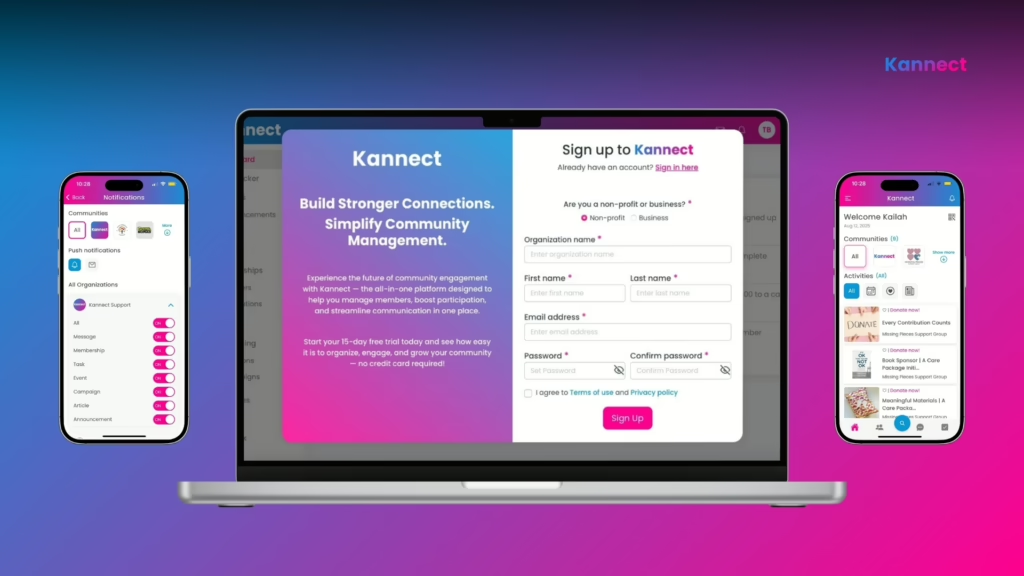
Key features of Kannect that align with community-building best practices include:
- Customizable Spaces Aligned with Purpose: Community builders can create distinct areas within the platform tailored to specific functions such as onboarding zones for new members, social lounges for casual interaction, workspaces for collaboration, and halls of recognition to celebrate contributions. This segmentation helps members intuitively understand where to go and how to engage.
- Defined Member Journeys: Kannect supports the creation of clear member progression paths, mapping out experiences from initial onboarding to active contribution and leadership roles. These journeys highlight milestones and celebrate achievements, motivating members to deepen their involvement over time.
- Intuitive Navigation: The platform emphasizes ease of use with clear labels, consistent naming conventions, and streamlined access to key areas, reducing cognitive load and preventing member confusion. This ensures members spend more time engaging and less time figuring out where to be or what to do.
- Ownership and Distributed Leadership: Kannect facilitates shared community responsibility by enabling community builders to assign roles, delegate tasks, and involve members in leadership activities. This distributed ownership strengthens community resilience and fosters deeper commitment.
- Integrated Communication and Engagement Tools: With features like targeted updates through push notifications, email, and in-app messaging, Kannect ensures members receive the information that matters most without feeling overwhelmed. Automated reminders, daily summaries, and personalized notification settings help members stay connected on their own terms.
- Analytics and Impact Tracking: Community builders can leverage advanced analytics to monitor engagement trends, identify what resonates with members, and make data-informed decisions to optimize community growth and health.
By incorporating these capabilities, Kannect goes beyond offering a suite of features; it provides a thoughtfully structured platform that reflects the best practices community builders apply to cultivate vibrant, sustainable digital communities. This focus on clarity, purposeful design, and member empowerment makes Kannect a valuable partner for organizations seeking to create active, meaningful, and resilient communities.
Ready to structure your community platform like expert community builders?
Discover how Kannect can help you create clear, engaging, and growth-focused spaces that members love. Start building better communities with Kannect today.
💡 Create your free Kannect account today or schedule a demo and start empowering leaders and members through effective and strategic engagement.
🔔 Stay connected and inspired by following Kannect on and our other social platforms (links below) for expert advice, success stories, and practical resources that strengthen your mission.
✔️ Subscribe to The Community Engagement Playbook for weekly strategies and insights to nurture authentic engagement and sustainable community growth.
Take the leap: empower your members, unlock potential, and amplify the impact of your nonprofit and community with Kannect. Your journey to improved member engagement and stronger communities begins here.
Try Kannect today
togetherwe work with businesses institutions, businesses institutions and public officials, public officials to revitalize neighborhoods, working togetherwe work with businesses, neighborhoods in ways that matter

Proudly powered by WordPress
FAQ: Quick Answers to All Your Questions
- What is the role of a community builder?
A community builder fosters connection, collaboration, and belonging by creating structured, inclusive spaces that encourage member participation and growth. They act as facilitators, connectors, strategists, and advocates who nurture environments where members can engage meaningfully and feel part of a shared purpose. - Why is platform structure important for community builders?
Structure creates clarity and predictability, reducing confusion and enabling members to engage naturally with purpose and direction. Clear navigation, defined spaces, and consistent interaction rhythms guide members to participate confidently, rather than feeling overwhelmed or lost. - How can community builders reduce cognitive load for members?
They implement clear navigation, consistent labeling, limited spaces, and defined rhythms. By simplifying pathways and setting clear expectations, community-builders make it easy for members to understand where to be and how to contribute without unnecessary mental effort. - What does progression mean in community building?
Progression guides members through developmental stages from onboarding to active contribution, leadership, and recognition, ensuring ongoing motivation and retention. Visible growth paths help members see their journey and feel rewarded for their increasing involvement. - How does Kannect support community builders?
Kannect offers features that allow community-builders to customize platform spaces, design guided member journeys, and foster distributed ownership effectively. With tools for event management, targeted messaging, analytics, and member roles, it simplifies managing growth and engagement. - Can smaller communities benefit from these structuring principles?
Absolutely; clear purpose, defined spaces, and predictable rhythms help even small communities grow sustainably and build strong member engagement. Good structure supports clarity and belonging regardless of size, enabling all communities to thrive.