
Designing an Engagement System in 5 Effective Steps That Guides People
Table of Contents
Smart Summary: Here’s what this blog on designing an engagement system will explore
- Introduction to Engagement Systems: Defines what an engagement system is and why structure matters beyond motivation.
- Why You Need a System: Explains problems in communities without engagement systems and key member questions systems answer.
- Core Components: Details the strategic building blocks of effective engagement systems.
- Foundation of Progression: Emphasizes mapping clear member journeys from awareness to ownership.
- 5 Effective Steps: Actionable, accessible strategies to design engagement systems that guide and reward participation.
- Self-Sustaining Engagement: Describes outcomes of successful systems making engagement habitual and shared.
- Where Kannect Fits: Shows how Kannect empowers leaders to implement such systems effectively.
- Join us: Invites readers to explore Kannect solutions and addresses common engagement system questions.
- FAQs
Let’s dive in!
What is an Engagement System?
An engagement system is a strategic framework that organizations or communities use to foster meaningful interaction, connection, and participation among members or stakeholders. It integrates digital tools, established processes, and intentional practices to create pathways that align individual contributions with collective goals. Unlike isolated events or occasional campaigns, a robust engagement system operates continuously, adapting to member needs and delivering consistent value that builds long-term loyalty.
Combining tools, processes, and practices, it guides authentic engagement toward shared goals. For instance, in a nonprofit digital community, an engagement system might blend event scheduling software, feedback surveys, and recognition badges to channel member energy into volunteer coordination and impact reporting. Community builders rely on such systems to orchestrate interactions that feel organic rather than forced, ensuring every touchpoint reinforces purpose and connection.
Effective engagement systems also incorporate analytics to measure what resonates, allowing refinements that sustain momentum. In professional networks, this might mean weekly discussion prompts paired with progress trackers, helping members see their growth and contributions. By prioritizing these elements, an engagement system evolves from a mere collection of features into a dynamic ecosystem where members not only join but actively thrive, driving retention and collective impact over time.
Why You Need a System for Engagement

Communities without an engagement system often face several challenges that undermine long-term vitality:
- Enthusiastic Joining, But Shallow Participation:
Many communities see a surge of new members eager to join, but engagement rapidly declines because there is no clear pathway for involvement.
For example, a local volunteer group might attract many sign-ups for an environmental cleanup, yet few participate beyond the initial event because they are unsure how to contribute next or lack ongoing roles. The absence of an engagement system means that initial enthusiasm isn’t converted into sustained activity. - High Content Output, But Low Interaction:
Organizations often produce abundant content such as newsletters, social media posts, event invitations without sparking meaningful interaction.
For instance, a professional association might send weekly updates yet receive little discussion or member input, as the communication is not tied to clear calls to action or member journeys. This disconnect creates noise without deep engagement. - Leaders Doing Most of the Work:
Without distributed engagement structures, community leaders become overwhelmed doing the bulk of outreach, moderation, and event coordination.
In a startup founder community, for example, a small team might manage all forums and events single-handedly, leading to burnout and limiting scalability. An effective engagement system distributes roles and responsibilities, empowering members to take active ownership. - Members Unclear About What Their Involvement Means:
When members do not understand how their participation contributes to the community’s mission or their own development, involvement can feel purposeless.
A youth mentorship program may recruit volunteers but fail to clarify volunteer impact pathways or progression, leaving participants unsure how their efforts matter or grow.
An engagement system removes this ambiguity by making participation predictable, rewarding, and repeatable. It addresses subconscious member questions like:
- Where do I start?
An engagement system provides clear entry points such as onboarding guides, welcome messages, or starter projects. This clarity reduces friction and makes joining feel inviting rather than confusing. - What happens next?
By defining the typical member journey moving from newcomer orientation to regular participation and leadership, the system sets expectations and shows members their growth path, building confidence. - How do I contribute meaningfully?
The system highlights ways to engage aligned with member strengths and community needs, whether through discussions, volunteering, or content creation, ensuring contributions feel valuable. - How do I know I’m progressing?
Visible markers like badges, recognition posts, or milestone celebrations provide feedback loops, reinforcing motivation and commitment.
Without clear answers to these, engagement is left to chance leading to inconsistent participation and fragmented communities. A well-designed engagement system turns initial interest into active, sustained involvement by removing barriers and aligning member experience with meaningful, stepwise participation.
Core Components of Engagement System
- Clear Purpose and Goals:
A successful engagement system begins with well-defined, SMART (Specific, Measurable, Achievable, Relevant, Time-bound) objectives. These ensure that every effort is focused and progress can be tracked meaningfully.
For example, a community aiming to increase volunteer participation might set a goal to boost monthly activity by 25% within six months. These clear goals guide strategy, prioritize resources, and provide benchmarks for assessing impact. - Audience Understanding:
Deep insights into member needs, preferences, and behaviors allow for tailored engagement strategies. Understanding demographics, motivations, and barriers helps design relevant experiences and communication.
For example, knowing that a community includes busy professionals and students helps decide the best times and channels for outreach. This member-centric approach increases resonance and participation because the engagement system speaks directly to its audience. - Communication Channels and Tools:
An effective system employs multiple, complementary channels such as forums, emails, social media, and in-app notifications, to reach members where they are most comfortable. The right mix ensures broad accessibility and timely delivery of messages.
For example, urgent announcements might come via push notifications, while in-depth discussions take place in forums or scheduled webinars. Choice and flexibility in communication tools strengthen connection and responsiveness. - Content and Experience Design:
Offering relevant, valuable, and engaging content inspires member action and connection. This includes educational materials, discussion starters, events, and recognition initiatives. For instance, a maker community might share weekly tutorials, host design challenges, and spotlight innovative projects to sustain interest. Thoughtful experience design ensures participation feels meaningful rather than burdensome. - Role Definition and Participation Models:
Clear definitions of member roles from newcomers to active contributors and leaders, create pathways for progression and shared responsibility.
For example, assigning mentorship roles or event host duties distributes leadership and cultivates ownership. Defined participation models help members understand how they can contribute and grow within the community, fostering sustained engagement. - Measurement and Feedback:
Tracking engagement metrics and collecting member feedback allows continuous system improvement. Data on participation rates, content popularity, and communication effectiveness inform strategic adjustments.
For example, if forum activity is low, a builder might introduce prompts or rewards. Regular feedback loops ensure the engagement system remains responsive and member-centered. - Sustainability and Resourcing:
Ensuring adequate funding, staffing, and technological support is crucial for long-term viability. Sustainable engagement systems plan for ongoing maintenance, capacity building, and resource allocation.
For example, budgeting for community manager roles or platform upgrades supports growth without disruption.
Together, these core components form a comprehensive engagement system that supports vibrant, resilient communities by aligning clear purpose with member-centric design, communication, and continuous adaptation.
The Foundation: Define the Path You Want People to Take

A well-designed community maps a clear member journey, guiding individuals from first contact to deep involvement. This journey helps members understand their place, reduces confusion, and motivates continual engagement. Here are the key stages every community should intentionally define:
- Awareness → “I’m here”
This is the moment potential members discover the community exists and decide to join. For example, a professional network might attract new members through industry webinars or social media posts highlighting success stories. Clear messaging and easy entry points ensure that newcomers recognize the community’s relevance to their interests, setting the stage for further involvement. - Orientation → “I understand how things work”
Once members arrive, orientation helps them learn community norms, values, and mechanisms. A community for creative writers, for instance, might offer welcome guides, introductory videos, and mentor-led onboarding sessions that clarify how to participate and where to find resources. Effective orientation reduces hesitation and builds confidence, helping members feel safe and prepared to engage. - Participation → “I’m involved”
At this stage, members begin contributing in beginner-friendly ways: commenting, attending events, or joining discussions. Consider a nonprofit volunteer group where members start by signing up for one-time activities before moving on to regular involvement. Positive reinforcement, recognition, and meaningful interaction encourage members to deepen commitment. - Contribution → “My involvement matters”
Members shift from participation to sustained contribution when they recognize their input has impact. For example, in an online learning community, active contributors might lead study groups, create content, or mentor others. The community celebrates these contributions through spotlight features or badges, reinforcing the value of meaningful involvement. - Ownership → “I help shape the community”
At this highest engagement level, members take on leadership roles; moderating forums, organizing events, or shaping community policies. A tech user group might elect ambassadors who represent member interests and drive growth initiatives. Ownership creates a sense of responsibility and belonging that powers long-term health and resilience.
Clear pathways between these stages empower members to progress confidently. By defining and communicating this journey, communities foster a culture where engagement grows naturally from curiosity to commitment, building sustainable and impactful networks.
5 Effective Steps to Design Your Engagement System
- Make Engagement Obvious and Easy (Cognitive Accessibility)
Remove friction by offering clear first actions, predictable weekly rituals, centralized information, and response templates. This design principle ensures participation feels intuitive rather than effortful, aligning with human cognitive limits.
For example, a professional networking community might feature a prominent “Introduce Yourself” button on the homepage with a simple template, alongside a weekly “Member Spotlight” thread that runs every Monday. New members can immediately post without overthinking, while centralized resource hubs like a single FAQ page prevent scattered information from causing overwhelm. - Create a Feedback Loop That Feels Human
Reinforce member actions by making participants feel seen, appreciated, and progressing through personalized responses, welcomes, or public recognition. This human touch activates reward pathways, encouraging repeat engagement.
In a fitness community, for instance, automated yet personalized welcome messages from a “community bot” could say, “Hi Sarah, thanks for joining, check out the beginner run challenge!” followed by public shout-outs in a dedicated channel when members hit milestones. Such loops build emotional connection, turning one-time posts into ongoing conversations. - Design for Different Levels of Engagement
Support diverse member types from observers to owners with tailored options so everyone finds meaningful ways to participate. This inclusivity accommodates varying commitment levels, maximizing overall involvement.
A parenting support group might offer “Lurker-Friendly” daily tips for passive readers, discussion prompts for regular commenters, and moderator nominations for power users. Observers absorb value silently, participants join chats, and owners lead themed months ensuring no one feels excluded or pressured. - Rituals: The Invisible Architecture of Engagement
Establish predictable rhythms like weekly Q&As or monthly challenges that build habit and loyalty as members repeatedly engage together. These rituals create familiarity, reducing decision fatigue and fostering belonging.
For example, a book club community could host “Wednesday Wisdom” live sessions for author Q&As and “End-of-Month Reads” challenges with shared review threads. Members anticipate these events, forming habits that sustain activity even during quieter periods. - Turn Progress Into a Visible Story
Make member milestones and growth visible via levels, journeys, roadmaps, or newsletters, driving motivation through meaningful progress. Visual storytelling taps into intrinsic rewards, boosting retention.
In an online learning community, a progress dashboard might show badges for “10 Posts,” “First Mentorship,” or “Event Host,” with monthly newsletters recapping journeys like “From Newbie to Leader: Maria’s Story.” This narrative makes advancement tangible, inspiring members to pursue the next level.
These steps create a cohesive engagement system where participation flows naturally, supported by clarity, reinforcement, inclusivity, rhythm, and visible growth. Community builders implementing them see higher retention and authentic interaction.
When Systems Work, Engagement Feels Self-Sustaining
Strong engagement systems create communities where ongoing participation flows naturally, becoming part of the community’s fabric rather than a forced effort. These systems foster:
- Members invite new members:
In thriving communities, engaged members become ambassadors, organically inviting peers who share similar values or interests. For example, a local arts collective with a strong engagement system sees members bringing friends to workshops and events because they feel personally connected and believe in the community’s purpose. This word-of-mouth growth fuels exponential expansion without heavy outreach from leaders. - Leaders emerge naturally:
Instead of relying on appointed roles, leadership arises authentically as members who contribute consistently and display initiative take on stewardship positions. In online gaming communities, dedicated moderators or event organizers often evolve from passionate players who have gained trust and respect. This natural leadership supports scalability and diversity in perspectives, lowering burnout among founding leaders. - Culture perpetuates itself:
With clear norms, rituals, and shared values embedded in the engagement system, community culture self-reinforces. Consider professional networks where weekly discussion themes and recognition of member contributions create a rhythm that new and existing members adopt. This cyclical cultural reinforcement sustains engagement even during leadership transitions or external changes. - Ownership is shared:
A healthy engagement system distributes responsibility and empowers members to co-create. For example, a neighborhood association with active committees on events, safety, and communications lets residents take charge of projects that matter to them. This shared ownership boosts commitment and resilience, as the community relies on collective energy rather than a few individuals. - Engagement becomes a default state, not ocassional effort:
When systems function well, participation becomes habitual and expected, a natural part of being a member. Engagement shifts from a series of isolated actions to ongoing involvement supported by clear pathways, supportive interactions, and rewarding feedback. This creates communities where members show up routinely because “that’s just what we do,” underpinning long-term growth and impact.
Together, these elements illustrate how robust engagement systems transcend activities and features to become self-sustaining social ecosystems grounded in trust, shared purpose, and collective responsibility.
Where Kannect Fits In
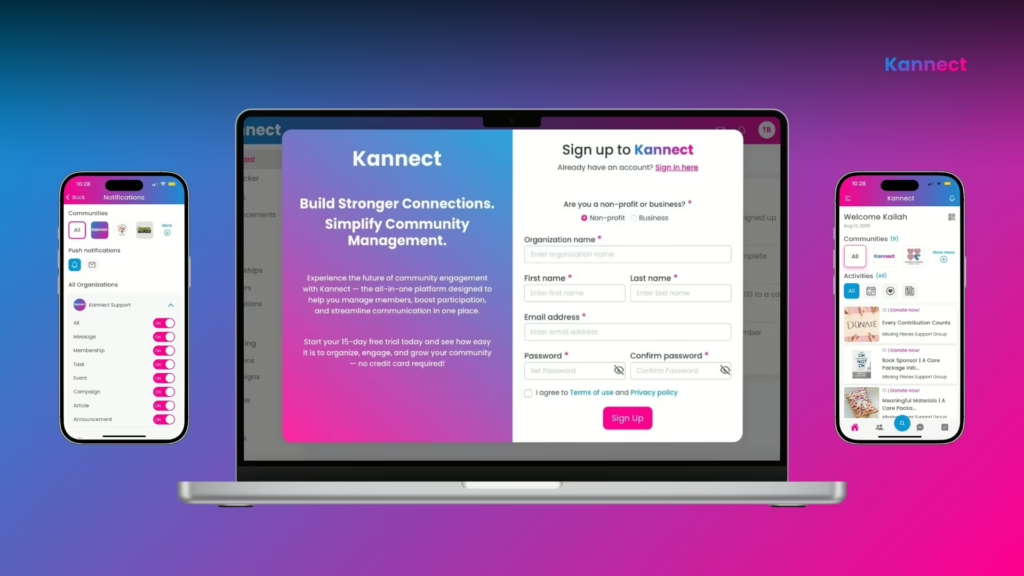
Kannect offers community leaders powerful tools to design and implement effective engagement systems.
From customizable member journeys and clear participation pathways to feedback mechanisms and scheduling, Kannect helps communities turn engagement from a struggle into a natural, self-sustaining flow.
Ready to build an engagement system that guides your community members every step of the way?
Discover how Kannect’s platform can help you create clear, rewarding, and sustainable engagement. Start crafting your system today with Kannect.
💡 Create your free Kannect account today or schedule a demo and start empowering leaders and members through effective and strategic engagement.
🔔 Stay connected and inspired by following Kannect on our social platforms (links below) for expert advice, success stories, and practical resources that strengthen your mission.
✔️ Subscribe to The Community Engagement Playbook for weekly strategies and insights to nurture authentic engagement and sustainable community growth.
Take the leap: empower your members, unlock potential, and amplify the impact of your nonprofit and community with Kannect. Your journey to improved member engagement and stronger communities begins here.
Try Kannect today
for key features weakness, features weakness strengths best, weakness strengths best for key, strengths best for key features

Proudly powered by WordPress
FAQ: Quick Answers to All Your Questions
- What is an engagement system in community building?
An engagement system is a framework of tools and practices designed to guide sustained, meaningful member participation in a community. - Why is clear member progression important in engagement systems?
Visible progression helps members understand how to contribute and grow, increasing motivation and retention. - How do rituals support engagement?
Rituals create predictable patterns of participation, helping members build habit and loyalty through repeated shared actions. - Can engagement systems reduce leader burnout?
Yes, by distributing roles and creating predictable interaction rhythms, engagement systems reduce reliance on leaders for constant stimulation. - How does Kannect support designing engagement systems?
Kannect provides customizable pathways, feedback loops, role management, and ritual scheduling tools that align with engagement system best practices. - Is an engagement system suitable for small communities?
Absolutely; even small communities benefit from structure, clarity, and clear participant pathways to grow sustainably.

Related Posts

Engagement and Growth in Digital Community Architecture: 3 Ways Structure Drives Participation

Sustainability and Social Responsibility in Community Building: 6 Bold Strategies for a Better Tomorrow